Resilience Recovery Resources provides dedicated alcohol and substance abuse treatment programs for adolescents and young men across South Florida. Our West Palm Beach alcohol rehab explores more than the surface-level effects of alcohol use; instead, we help men develop skills for long-term recovery while tending to specific men’s issues, dual-diagnosis treatment, academics, and practical life skills.
Resilience Recovery Resources provides a unique approach to change for young men overcoming alcohol addiction. With treatment that addresses substance use disorder (SUD), mental health conditions, co-occurring disorders, and men-specific issues, we develop personalized programs that support lasting recovery. Each treatment program is backed by evidence-based therapies and clinical excellence, with a level system that empowers young men to commit to recovery while balancing ongoing academics, job commitments, support groups, and comprehensive alcohol treatment.

We also provide treatment services for both young men and their families through family-centered care. Our partial hospitalization program (PHP), intensive outpatient program (IOP), and outpatient treatment options combine specialized care with behavioral health services. Each level of care is a collaborative effort between young men, their families, and our professional staff.

Located in West Palm Beach, our treatment center combines local resources and opportunities with an inviting atmosphere, providing one-on-one care for you or your son overcoming alcohol addiction, mental health issues, or navigating dual diagnosis treatment. Our staff has lived experience navigating the unique challenges of addiction, bringing practical, real-world experience in overcoming substance use disorders and maintaining healthy, sober change.
For nearly a decade, Resilience Recovery has supported adolescent and young adult males through developmentally informed, family-centered care. Our transitional model emphasizes clinical excellence, accountability, and the life skills needed for sustainable recovery and independence.
Programming is thoughtfully designed around the developmental needs of young men ages 14–28. Separate tracks ensure care remains age-appropriate, clinically relevant, and aligned with each stage of growth.
Our multidisciplinary team delivers evidence-based care grounded in relational and attachment-focused principles, including the NeuroAffective Relational Model (NARM). Treatment prioritizes emotional healing while building practical skills for long-term stability.
Low client-to-staff ratios allow for individualized support, meaningful therapeutic relationships, and consistent clinical oversight. Each client is known, supported, and actively guided throughout their recovery process.
Care is trauma-informed and developmentally responsive, addressing the underlying experiences that often contribute to substance use. We support the whole person — emotionally, socially, academically, and vocationally.
Families remain closely involved through weekly therapy, regular updates, and dedicated care coordination. This collaborative approach strengthens communication, rebuilds trust, and supports lasting change beyond the program.
FARR-accredited residences provide a safe, structured setting that reinforces accountability while promoting independence. Each home is intentionally designed to reflect real-world living, helping clients practice the skills necessary for a successful transition forward.
Alcohol use disorder (AUD) is a disease that many face, from adolescents and young adults to even working professionals. However, young men exposed to alcohol earlier in life can also have an increased risk of developing the disease, impacting not just cognitive development but also leading to lifelong effects.
Those living with alcohol addiction often find it difficult to control the use of alcohol, feeling compelled to drink even against their own better judgment. Whether alcohol is used as a coping mechanism to address stress or underlying mental health needs, or results from environmental factors and pressures, identifying the signs and symptoms of alcohol addiction in young men is crucial to taking the first step toward change.
Some signs of alcohol addiction include:

Alcohol addiction is complicated. Overcoming its effects and making meaningful, transformative change takes time, effort, and the support of both professionals and family members. We work with entire families to explore the effects of alcohol addiction on young men, empowering them to find their path to sobriety while building support, communication, forgiveness, sympathy, and effective healing practices at home.

Substance abuse and mental health challenges manifest differently in adolescents and young adults, requiring a specialized approach to treatment. We recognize that this age group is navigating critical developmental stages, including identity formation, peer influence, and the transition to greater independence. These factors often intersect with substance abuse, making tailored care essential.
Our programs are specifically designed to address the developmental, emotional, and social pressures that young males face. By incorporating age-appropriate therapies and interventions, we help clients build resilience, develop healthy coping mechanisms, and foster positive decision-making skills.
Taking the first step into alcohol or drug rehab is intimidating. Resistance, uncertainty, and doubt are common among young men just beginning their healing journey. However, knowing what to expect and the resources available will empower you or your son to take this first step with confidence.
No two journeys are the same, and our individualized treatment planning helps create a unique program that fits not just the needs of young men in alcohol rehab, but builds skills pertinent to their academic and professional goals beyond addiction. Finding the coping skills that work best for each individual, as well as participating in therapies that address underlying needs, helps young men thrive once treatment is complete.
Clinical medical oversight ensures your son is safe and that trained professionals are available to address evolving needs and concerns as they arise at any point in treatment.
We continue to provide medication management support, working with your son in medication-assisted treatment (MAT) to balance medication and recovery with daily life.
Our case management team works with your son, providing regular updates and assessments as they navigate each level. We help young men build new skills and work toward new goals and milestones.
Our expert clinical team upholds our commitment to clinical excellence, blending proven care and addiction medicine with individual therapy and holistic healing methods.
We blend alcohol rehab with academic and life skills support, working with a Florida-certified special education teacher to maintain academic rigor. At the same time, clients build skills for daily life, conduct mock interviews, and more to build a thriving life outside of our treatment facility.
Healing is never a straight line. We offer flexible care options and times to empower young men to balance their needs in alcohol rehab with other responsibilities. They never have to choose between recovery and their daily life.
Finding the right level of care depends on your needs and the severity of your addiction. We support you as you begin healing, transition between levels of care, and reach new milestones. You always have access to the most appropriate treatment while benefiting from the culture, support, and clinical excellence of our healing community in West Palm Beach.
Our PHP provides on-site support and personalized treatment, serving as a “step down” after stabilization in medical detox services, residential treatment, or inpatient care. For adolescents, these programs run from 9:30 a.m to 3:30 p.m., with both a dedicated lunch break and hourly breaks to rest so you can put in the hard work to overcome alcohol addiction and its effects.
Young adults can start PHP later in the day, from 1:30 p.m. to 7:30 p.m., to accommodate morning work hours. We empower your son to maintain steady employment while still benefiting from the support of peers and medical professionals.
PHP blends evidence-based care, individual and group therapy, and holistic healing options to address alcohol addiction from multiple angles, with personalized care that facilitates truly transformative change. Young men also have access to our on-site amenities, such as a pool, grill, mural wall, and lounging areas, to build new relationships with others in recovery and embrace our healing community.


The next step is our IOP, which continues to provide high-quality support while clients build their lives outside of a curated sober space. Our IOP helps young men and adolescents balance daily responsibilities, such as work or school, with ongoing care. These programs provide 10 to 15 hours of group therapy per week, addressing unique challenges as they arise and working with young men, adolescents, and their families to further develop communication and practical strategies for a fulfilling daily life in sobriety.
After graduating from PHP or IOP, you can further transition to our outpatient program (OP). This is our least intensive level of care for men who have developed the skills to manage their sobriety and tend to other responsibilities. Outpatient services help young men practice personalized coping strategies; a commitment to ongoing sobriety, aftercare planning, and accountability all make up this stage. With about 6 hours of programming per week, you are empowered to continue building on your hard-earned sobriety and skills.

Contact our admissions team today to learn more about our treatment for alcohol addiction. We’re here to support your son with compassionate care.
Alcohol addiction is a complex disease, and overcoming its effects is about much more than stopping the use of alcohol. Rather, comprehensive care that addresses the stresses and factors behind alcohol use is also paramount. Integrated care to address stress, mental health disorders, and social factors can all impact a person’s relationship with alcohol.
Effective, sustainable rehab addresses not just alcohol use, but the mental health conditions that may have informed it as a coping strategy.
Co-occurring mental health conditions we treat include:


There is no “one-size-fits-all” approach to alcohol addiction rehab programs. Rather, effective change is about finding the combination of these therapies that supports your sober goals and making adjustments so you can find your personalized approach to change for lasting addiction recovery.
Alcohol addiction affects not just individuals, but entire families. With our family-centered approach to change, we work with both young men and their loved ones to facilitate effective healing. From developing communication to helping rebuild trust and forgiveness through education and action, we understand the need for healing both at our addiction treatment center and at home. We provide resources and support to help family members balance their own needs while becoming the most effective supports possible.
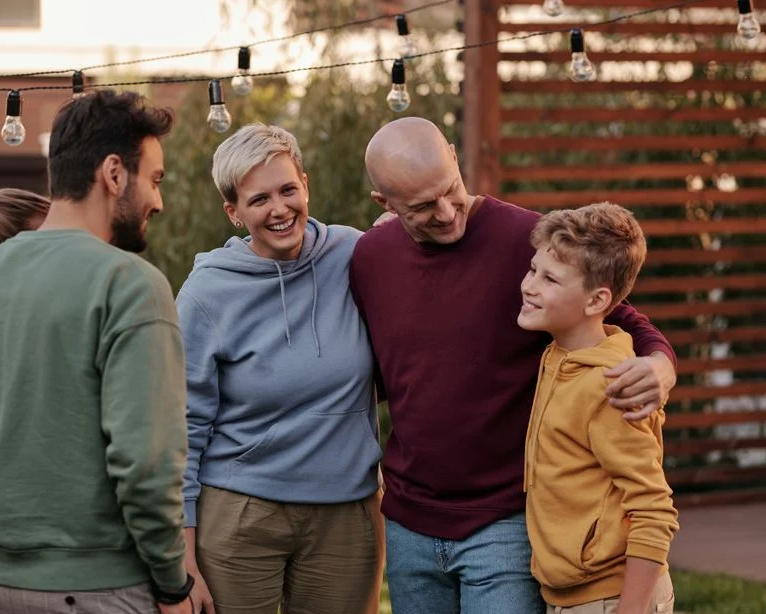

Addiction can feel incredibly isolating, especially for young men and adolescents overcoming alcohol addiction. Our community empowers clients not only to confront the effects of addiction but also to meet with others who share their experiences, challenges, and triumphs, creating an atmosphere of support and acceptance. Peers play an important role in healing, both as resources for new ideas and as a source of belonging and acceptance to address the effects of addiction.
Your healing is an ongoing journey, from your first step into one of our programs and through each milestone. We provide transitional care between levels, as well as transitioning out of our program to continue building on your sober life at home. With dedicated relapse prevention, education, and alumni integration, we support your journey wherever you are in your healing.

Resilience Recovery Resources utilizes a level system to mark milestones. Progress is reviewed weekly, with advancement to the next level dependent on personal application and a team review.

Our Orientation program lasts a minimum of two weeks. During this time, clients are on “blackout,” with no access to personal phones or technology, but can call family with a case manager or therapist present.
Upon moving out of Orientation, clients may transition to apartment-style living (two-bedroom, two-bathroom with three peers) instead of a residential setting, depending on needs.
Clients are eligible to transition to Level One after two weeks in Orientation if they are actively participating and respectful of peers and staff, but remain under a house restriction that requires a staff member or Level Two peer to accompany them off the property. Level One requires getting a sponsor and a home group, and demonstrating a commitment to that home group. The time period from Level One to Level Two is 45 days.
By Level Two, clients can start leaving the property independently. Engaging in Level Two requires active work on the Twelve Steps (Steps 1 through 5), with clinical support, staff, and peers helping to navigate these steps in the healing process.
This level requires completion of the Ninth Step to be eligible. It includes privileges such as independent off-site time and potential car privileges for young adults to travel to local opportunities, such as the mall or beach.
Contact our specialists to find out how we can help treat your needs.
Health insurance plans typically cover the cost of treatment. However, exactly what is covered depends on your specific insurance provider and coverage plan. Contact Resilience Recovery Resources to help navigate insurance coverage.
The right drug or alcohol healing program will depend on several factors, from the severity of addiction to underlying needs that get to the root of substance use. Talking to a professional or going through an intake interview with us can help us determine the most appropriate level of care.
We work with local medical detoxification facilities to help you begin your journey, providing information and resources so your son can both engage in effective detox as well as set up a plan to transition to further care with us, so there are never any gaps in treatment.
Each journey is different and depends on severity and needs. On average, care with us lasts about 6 to 9 months, but programs lasting 12 months or more are not uncommon.