Resilience Recovery Resources offers collaborative outpatient care for adolescent (14–17) and young adult (18–28) men struggling with substance abuse and mental health concerns. Located in West Palm Beach, Florida, we can conveniently serve residents in Boca Raton and beyond.
Resilience Recovery Resources, located in West Palm Beach, Florida, is dedicated to providing trauma-informed and evidence-based outpatient rehab. We provide age- and gender specific care for adolescent (14–17) and young adult (18–28) men. Our focus is treating substance use disorder (SUD), co-occurring disorders, and other mental health concerns, such as anxiety or depression. Through our partial hospitalization program (PHP), intensive outpatient program (IOP), and outpatient services, we help young men make lasting, meaningful life changes.
Our approach to addiction treatment is family-focused with a wide range of evidence-based therapies. Our certified staff brings decades of combined clinical experience. A staff-to-client ratio of 1:1 ensures every young man gets the personalized care they need to thrive.
We offer a life-changing experience for adolescent and young men stepping down from more intensive care or seeking assistance for the first time. Whether you are from West Palm Beach or elsewhere in the state or country, Resilience Recovery Resources is here to help.

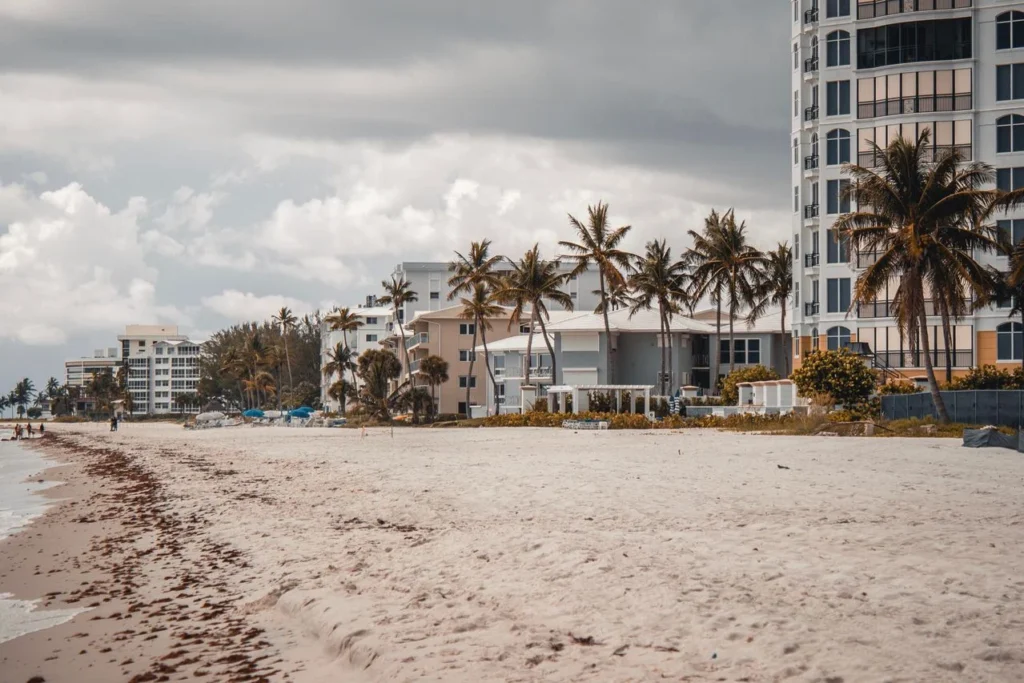
Located in the heart of West Palm Beach, Resilience Recovery Resources curates a safe, secure, supportive, and serene environment for healing. We are staffed by compassionate and certified clinicians dedicated to helping you or your son overcome substance abuse and other mental health concerns. Our location provides easy access for clients from neighboring communities, such as Boca Raton.
For nearly a decade, Resilience Recovery has supported adolescent and young adult males through developmentally informed, family-centered care. Our transitional model emphasizes clinical excellence, accountability, and the life skills needed for sustainable recovery and independence.
Programming is thoughtfully designed around the developmental needs of young men ages 14–28. Separate tracks ensure care remains age-appropriate, clinically relevant, and aligned with each stage of growth.
Our multidisciplinary team delivers evidence-based care grounded in relational and attachment-focused principles, including the NeuroAffective Relational Model (NARM). Treatment prioritizes emotional healing while building practical skills for long-term stability.
Low client-to-staff ratios allow for individualized support, meaningful therapeutic relationships, and consistent clinical oversight. Each client is known, supported, and actively guided throughout their recovery process.
Care is trauma-informed and developmentally responsive, addressing the underlying experiences that often contribute to substance use. We support the whole person — emotionally, socially, academically, and vocationally.
Families remain closely involved through weekly therapy, regular updates, and dedicated care coordination. This collaborative approach strengthens communication, rebuilds trust, and supports lasting change beyond the program.
FARR-accredited residences provide a safe, structured setting that reinforces accountability while promoting independence. Each home is intentionally designed to reflect real-world living, helping clients practice the skills necessary for a successful transition forward.
Our outpatient drug rehab program is designed to offer comprehensive care, with family therapy, medication management when appropriate, and individual and group therapy sessions. With a commitment to clinical excellence and safety, you or your son can experience a safe place to empower lasting change.
Each client is an individual and, as such, requires personalized attention to best address their needs. We utilize a combination of evidence-based and holistic therapies to provide comprehensive healing. This allows young men to receive a custom-tailored healing experience that gives them the best chance at achieving lasting recovery.
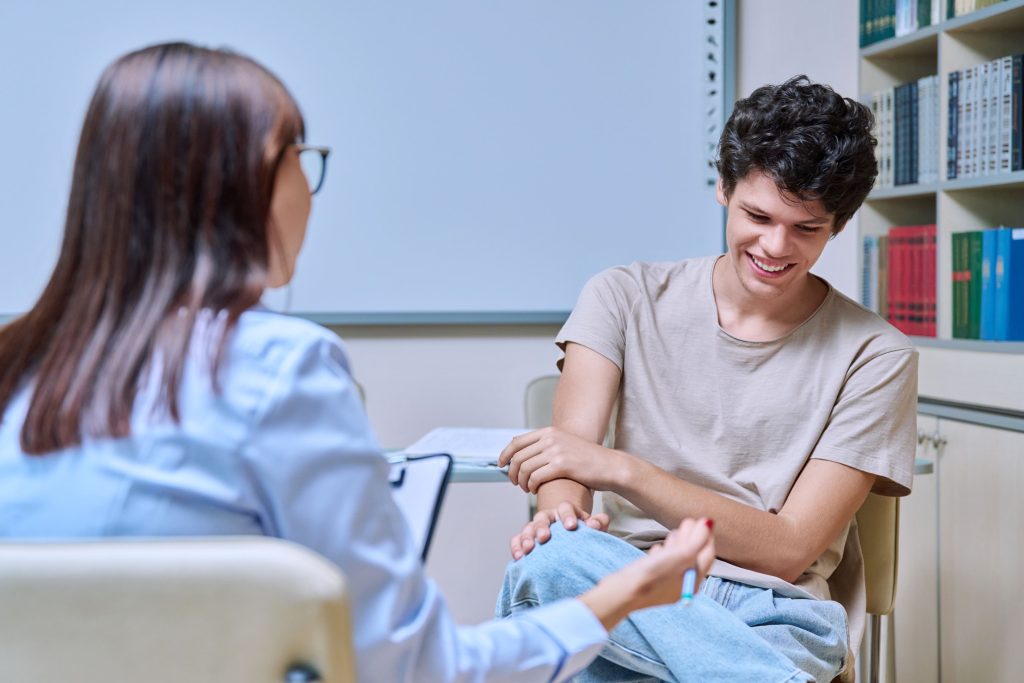
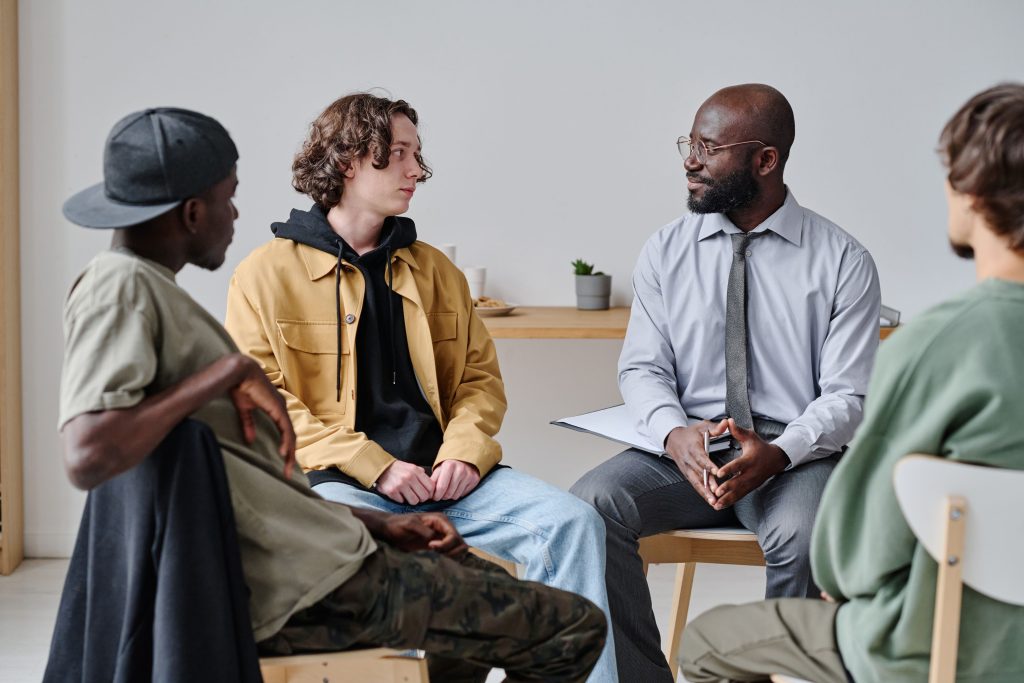
We utilize evidence-based and trauma-informed individual and group therapies that address the root of addiction. Examples include cognitive-behavioral therapy (CBT) and dialectical behavior therapy (DBT), which help teach healthy coping skills, emotional regulation, and personal introspection. Along with behavioral health treatment, we integrate 12-Step and peer support as an important part of personalized care.
We believe that healing the family is just as important as healing the individual. As such, we offer support for families with weekly family therapy, frequent updates, and quarterly in-person family weekends. With the assistance of our family care coordinator, we help families strengthen communication, rebuild trust, and support lasting recovery post-treatment.


Our facility has an on-campus satellite school, staffed by a Florida-certified special education teacher to help young men with online/virtual learning or enrollment. Clients also learn resume building, budgeting, and how to conduct themselves in mock interviews. We empower young men to not just recover from substance abuse, but to look positively towards the future as they set academic and vocational goals.
Our case managers are assigned to each client to help them build critical life skills needed for future independent living. Case managers also assist clients with other important tasks, such as aftercare planning, coordinating off-site medical appointments, and legal issues. This collaborative partnership allows our clients to focus on treatment while having regular access to a supportive, caring professional.


Our team is specially equipped to treat a wide range of substance misuse, abuse, and co-occurring mental health conditions, including:
Contact our specialists to find out how we can help treat your needs.
Resilience Recovery Resources utilizes separate treatment tracks for adolescents (14–17) and young adults (18–28). This allows us to provide specialized care appropriate to each age level. Each schedule will depend on the program, individual needs, and whether you or your loved one is in transitional living.
We ensure teens have daily scheduled school hours to facilitate learning with our on-campus satellite school. Teens staying with us in transitional living have an early start at 7 am, which is preceded by meditation and chores. The rest of the day is spent in treatment groups depending on their individual needs.
Our young adult clients have a later start time compared to teens. Young adults in transitional living can work part-time jobs in the mornings with time for clinical care later in the day. Depending on the outpatient program enrolled in, young adults can pursue higher education or focus on career development with a flexible treatment schedule.

Located near Boca Raton, FL, our outpatient treatment process is designed to minimize stress as you or your loved one step down from residential care or are seeking treatment for the first time.
The admissions process begins with an initial phone call, followed by an assessment to determine if Resilience Recovery Resources can appropriately assist you or your son.
Depending on personalized needs, treatment is planned, which can include specific intensive therapies to address the root of substance misuse or personalizing a dual diagnosis treatment plan.
Group and individual therapy sessions are led by certified clinicians who have the expertise to provide developmentally and age-appropriate care for each client.
Clients meet with their team once a week to discuss goals, progress, and check the current effectiveness of treatment.
We understand that long-term recovery hinges on aftercare and proper discharge planning. Our staff ensures clients have access to community resources and support groups, have a safe discharge plan in place, and undergo relapse prevention training before leaving our facility.

Is your loved one experiencing behavioral changes such as secrecy, mood swings, withdrawal from loved ones, declining grades, and an overall decline in health? Do you find drug paraphernalia in their living spaces, such as pipes, needles, or vapes? These can all be signs of a serious addiction crisis, which may include problems with co-occurring mental health disorders.
With early intervention and the help of addiction and mental health professionals, anyone can overcome substance misuse. Though it may take time and tremendous effort, embarking on a journey of recovery can bring new opportunities, improve overall well-being, and help establish lasting, healthy life changes.
Substance abuse and mental health challenges manifest differently in adolescents and young adults, requiring a specialized approach to treatment. We recognize that this age group is navigating critical developmental stages, including identity formation, peer influence, and the transition to greater independence. These factors often intersect with substance abuse, making tailored care essential.
Our programs are specifically designed to address the developmental, emotional, and social pressures that young males face. By incorporating age-appropriate therapies and interventions, we help clients build resilience, develop healthy coping mechanisms, and foster positive decision-making skills.

Intensive outpatient programs are best for individuals who have completed higher levels of care or need more support than a typical outpatient program but less than a PHP. Individuals should demonstrate stable mental health with manageable symptoms and a commitment to recovery.
IOPs are also excellent for those who require a flexible approach to treatment. This flexibility allows young men to meet obligations at work, school, or home. To determine whether an intensive outpatient program is appropriate, talk to you or your loved one’s treatment provider.
Resilience Recovery Resources does not offer medication-assisted treatment (MAT) exclusively. We do, however, offer medication management support when appropriate.
The length of time needed for a treatment program to be the most effective depends on you or your son’s individual needs and the severity of the substance abuse. The average program length at Resilience Recovery Resources is 6-9 months, though you or your loved one may need more time if necessary.
Yes, you may attend school while in rehab. Resilience Recovery Resources offers educational support with an on-site satellite school for virtual learning. A PHP may require more time commitment than will allow for schooling. An IOP and outpatient treatment, however, are often compatible with educational commitments.
Yes, you may go to work while in rehab if you are stable enough to do so. A PHP may require more time commitment than will allow for a regular job. An IOP and outpatient treatment are often compatible with at least part-time work. Your treatment provider will be able to determine if you or your loved one are stable enough for work.
The main difference between a PHP and an IOP is the intensity of treatment and the time commitment needed. A PHP is much more intensive than an IOP, with a significant portion of the day and week spent in treatment. On average, PHP occurs 5 days a week for several hours daily, with limited flexibility for commitments for school, work, or home. A PHP is best for someone who needs structured intensive treatment, but no longer needs 24-hour supervision.
IOP is much more flexible with a less intensive treatment focus. On average, clients spend 3-4 days a week in an IOP with treatments lasting 3-5 hours each day. Clients are able to complete responsibilities at school, at a job, or at home. An IOP is best for those who need more structure and support than outpatient treatment, but are stable enough to begin the transition back into normal living.