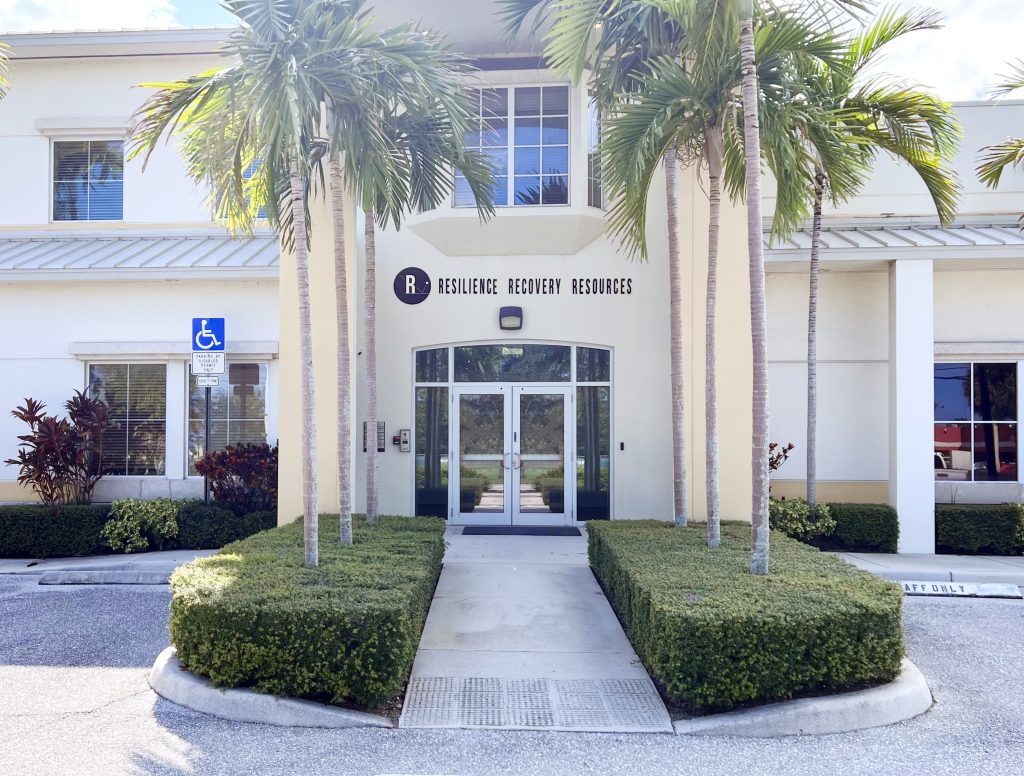
Resilience Recovery Resources provides outpatient programs for adolescent and young adult males ages 14-28 with substance use disorders and co-occurring mental health concerns. Located in West Palm Beach, Florida, our programs provide developmentally informed, family-centered care for those seeking drug rehab near Jupiter, Florida.


We provide addiction treatment for adolescent males ages 14-17 and young adult males ages 18-28 at our West Palm Beach, Florida location near Jupiter. Levels of care include our partial hospitalization program (PHP), intensive outpatient program (IOP), and outpatient care, tailored to each age group and stage of development.
Treatment combines evidence-based, relational, and developmentally informed care with individual and group therapy. We also offer family involvement, case management, life skills, and educational or vocational support. Young men work with a multidisciplinary team that includes Bachelor’s- and Master’s level clinicians and staff with relevant lived experience. We have an approximate 1:1 client-to-staff ratio at full capacity.
Resilience Recovery Resources provides a structured, supportive environment in West Palm Beach. Adolescent and young adult males receive substance use treatment while remaining connected to everyday responsibilities and the community. Clinical care is delivered in a 15,000-square-foot facility by a multidisciplinary team. Clear expectations, consistent supervision, and an accountability-based level system help create a safe setting for healing.
For nearly a decade, Resilience Recovery has supported adolescent and young adult males through developmentally informed, family-centered care. Our transitional model emphasizes clinical excellence, accountability, and the life skills needed for sustainable recovery and independence.
Programming is thoughtfully designed around the developmental needs of young men ages 14–28. Separate tracks ensure care remains age-appropriate, clinically relevant, and aligned with each stage of growth.
Our multidisciplinary team delivers evidence-based care grounded in relational and attachment-focused principles, including the NeuroAffective Relational Model (NARM). Treatment prioritizes emotional healing while building practical skills for long-term stability.
Low client-to-staff ratios allow for individualized support, meaningful therapeutic relationships, and consistent clinical oversight. Each client is known, supported, and actively guided throughout their recovery process.
Families remain closely involved through weekly therapy, regular updates, and dedicated care coordination. This collaborative approach strengthens communication, rebuilds trust, and supports lasting change beyond the program.
Care is trauma-informed and developmentally responsive, addressing the underlying experiences that often contribute to substance use. We support the whole person — emotionally, socially, academically, and vocationally.
FARR-accredited residences provide a safe, structured setting that reinforces accountability while promoting independence. Each home is intentionally designed to reflect real-world living, helping clients practice the skills necessary for a successful transition forward.
Our programs combine clinical care with practical support that helps adolescent and young adult males build skills for lasting recovery. Through individual therapy, family involvement, peer connection, life skills development, and relapse prevention strategies, clients can strengthen their independence and address the challenges contributing to their substance abuse.

We use evidence-based therapies to address substance abuse, behavioral patterns, and co-occurring disorders in adolescent and young adult males. Care may incorporate individual counseling, cognitive-behavioral therapy (CBT), dialectical behavior therapy (DBT), medication management, trauma-focused care, and our Neuro Affective Relational Model (NARM). Treatment is individualized to each client’s clinical needs, developmental stage, and recovery goals.
Holistic therapies complement clinical treatment by helping clients develop healthy ways to manage stress, regulate emotions, and engage more fully in recovery. We incorporate activities that support physical, emotional, and social well-being. These experiences help young men build confidence, strengthen their coping skills, and create healthier daily routines.
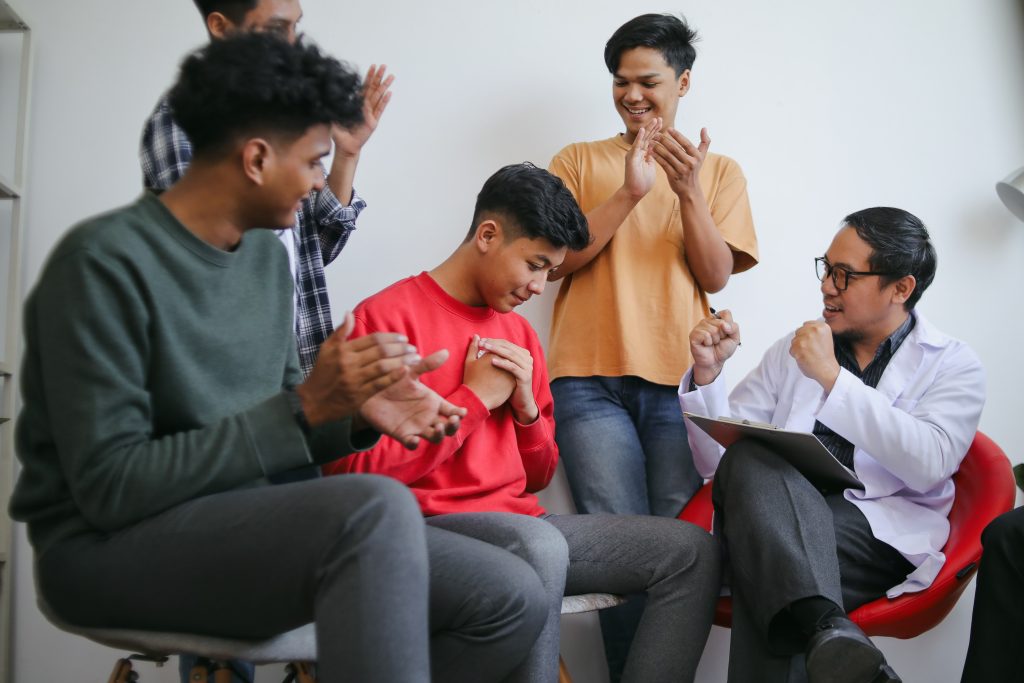

Our team incorporates 12-Step facilitation and community meetings to help young men build connection, accountability, and ongoing recovery skills. Support groups provide opportunities to learn alongside others facing similar challenges, while peer mentorship offers guidance and support from individuals with relevant lived experience. Together, these elements help young men develop a supportive recovery community.
We prioritize life skills development to help young men build the practical abilities needed for greater independence and stability in recovery. We provide support with budgeting, resume building, mock interviews, education, vocational goals, and coordination of daily responsibilities. These skills reinforce empowerment and accountability while helping young men prepare for life beyond structured treatment.


We provide opportunities for group and peer support so that young men can build healthy connections, practice good communication, and learn from shared experiences in recovery. Our team incorporates group counseling, community-based support groups, and peer mentorship to strengthen accountability and reduce isolation. These relationships help young men develop a reliable support network while building confidence in long-term recovery.
We begin planning for continued care well before clients complete their current level of programming, helping support continuity and relapse prevention. For adolescents, this can include outpatient recommendations and structured home visits before returning home full-time. Young adults may receive connections to outpatient care, community resources, and other appropriate support. Alumni integration can provide additional connection and encouragement as young men continue building on the progress made during treatment.

We offer multiple levels of substance use treatment in West Palm Beach for adolescent and young adult males seeking care near Jupiter, Florida. PHP, IOP, and outpatient services provide varying degrees of clinical structure based on each client’s needs, progress, and stage of recovery.

Our PHP provides approximately 25 hours of programming per week, including group therapy, individual therapy, psychiatric evaluation, medication management, case management, and family involvement. Our PHP offers a highly structured level of outpatient care while supporting the development of greater independence and accountability.
Our intensive outpatient programming provides approximately 9 to 15 hours of treatment per week for teen and young adult males who need ongoing clinical support with greater flexibility. IOP incorporates group and individual therapy, family coordination, and case management to continue addressing substance use and co-occurring disorders.


Our outpatient program (OP) provides approximately 6 hours of programming per week for young men who are ready for a lower level of clinical structure. Services can include group and individual therapy, case management, and academic or vocational support while clients continue strengthening recovery and everyday life skills.
Don’t let addiction control another day of your life. Our compassionate team is ready to guide you through every step of the admissions process. Contact us to begin your journey to lasting recovery.
We provide separate, developmentally appropriate tracks for teens and young adults, with daily routines designed to balance clinical care, personal responsibility, and real-world growth. Each program combines structured treatment with opportunities for clients to practice the skills they are developing in recovery.
Our teen clients typically begin their day around 7 a.m. with activities such as meditation and chores, then participate in PHP groups from approximately 9:30 a.m. to 3:30 p.m. The schedule also incorporates dedicated school hours, supervised meal preparation, and evening 12-Step community meetings.

Our young adult clients follow a later schedule, with clinical groups generally taking place from around 1:30 p.m. to 7:30 p.m. This structure gives clients opportunities to work part-time or address other responsibilities in the morning while continuing individual therapy, group services, and recovery-focused programming.
Family involvement plays a central part of treatment because we recognize that addiction and co-occurring disorders affect the entire family system. Adolescent families participate in weekly family therapy, weekly family groups, ongoing coordination with a family care coordinator, and quarterly in-person family weekends.
Family involvement also continues for young adults when appropriate, with therapy and coordination helping loved ones better understand recovery and develop healthier ways of communicating and supporting progress. Our family-centered treatment approach gives families opportunities to strengthen relationships while clients build accountability, coping skills, and greater independence.


We help clients continue working toward academic, vocational, and independent living goals alongside addiction treatment. Adolescents have access to an on-site satellite school staffed by a Florida-certified special education teacher who can assist with virtual learning and enrollment. Meanwhile, case management provides practical support with resume building, mock interviews, job searches, budgeting, legal matters, off-site appointments, and other life skills that prepare young men for greater independence.
We provide developmentally informed substance use treatment for adolescent and young adult males experiencing a wide range of addictions and related behavioral or mental health concerns. Treatment addresses substance use alongside co-occurring disorders, helping clients build better coping skills and greater stability.

We help families and young men identify the services needed to support safe, appropriate care, including coordinating outside services when a higher level of care is necessary.
While we do not provide in-house detoxification, we can coordinate referrals for medical detox when withdrawal symptoms require medical monitoring before entering the program. When a client requires inpatient rehab or residential treatment, we can help coordinate placement with an outside provider before transitioning to an appropriate outpatient level of care with us.
Our team provides medication management as needed, available within our PHP as part of individualized psychiatric and clinical care. We also provide a respectful, supportive treatment environment for adolescent and young adult males, including men in the LGBTQ+ community.

It may be time to seek professional help when substance use begins affecting school or work, relationships, physical health, emotional well-being, or the ability to manage everyday responsibilities. Other warning signs can include increased tolerance, withdrawal symptoms, repeated attempts to stop, risky behavior, isolation, or worsening anxiety and other co-occurring disorders.
Early intervention can help adolescents and young adults address these concerns before patterns become more deeply established. With appropriate treatment, young men can develop healthier coping strategies, strengthen relationships, and build skills that support lasting recovery.
Substance use can look different in teens and young adults, with signs such as declining grades, frequent absences, changes in friendships, loss of interest in activities, or trouble keeping a job. Young people may also struggle with impulsivity, emotional dysregulation, disrupted sleep, or difficulty meeting responsibilities as substance use progresses.
Recognizing these changes early can give families an opportunity to seek support during an important stage of emotional and social development. With developmentally appropriate care, young men can strengthen coping skills, rebuild trust, and learn to manage challenges without relying on substances. Meaningful change is possible with consistent clinical support, family involvement, and opportunities to practice greater independence.

The cost of drug rehab varies based on level of care, length of treatment, services provided, and insurance coverage. We encourage families to contact our admissions team to discuss cost.
Yes, family therapy and family support are available and encouraged at our treatment facility.
Insurance may cover some or all of the clinical costs of drug and alcohol treatment, depending on an individual’s plan, benefits, and level of care. We can help families review their insurance benefits and understand potential out-of-pocket costs before treatment begins.
Treatment typically lasts 6-9 months, although some clients may remain in programming for up to 12 months based on their individual needs and progress