
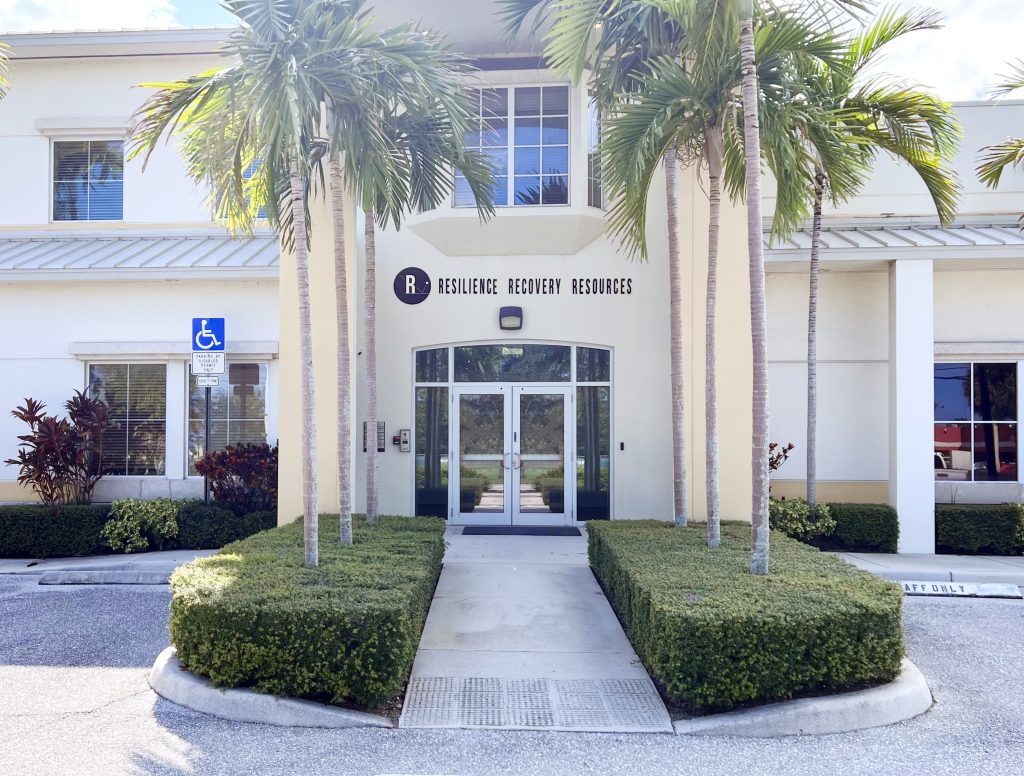
Resilience Recovery Resources, located in West Palm Beach, Florida, is dedicated to providing trauma-informed and evidence-based outpatient rehab. We provide age- and gender specific care for adolescent (14–17) and young adult (18–28) men. Our focus is treating substance use disorder (SUD), co-occurring disorders, and other mental health concerns, such as anxiety or depression. Through our partial hospitalization program (PHP), intensive outpatient program (IOP), and outpatient services, we help clients make lasting, meaningful life changes.
Our approach to mental health treatment is family-focused with a wide range of evidence-based therapies. Our certified staff brings decades of combined clinical experience. A staff-to-client ratio of 1:1 ensures every young man gets the personalized care they need to thrive.
We offer a life-changing experience for adolescent and young men stepping down from more intensive care or seeking assistance for the first time. Whether you are from West Palm Beach or elsewhere in the state or country, Resilience Recovery Resources is here to help.
Located in the heart of West Palm Beach, Resilience Recovery Resources curates a safe, secure, supportive, and serene environment for healing. We are staffed by compassionate and certified clinicians dedicated to helping you or your son overcome substance abuse and other mental health concerns. Our location provides easy access for clients from neighboring communities, such as Delray Beach.
For nearly a decade, Resilience Recovery has supported adolescent and young adult males through developmentally informed, family-centered care. Our transitional model emphasizes clinical excellence, accountability, and the life skills needed for sustainable recovery and independence.
Programming is thoughtfully designed around the developmental needs of young men ages 14–28. Separate tracks ensure care remains age-appropriate, clinically relevant, and aligned with each stage of growth.
Our multidisciplinary team delivers evidence-based care grounded in relational and attachment-focused principles, including the NeuroAffective Relational Model (NARM). Treatment prioritizes emotional healing while building practical skills for long-term stability.
Low client-to-staff ratios allow for individualized support, meaningful therapeutic relationships, and consistent clinical oversight. Each client is known, supported, and actively guided throughout their recovery process.
Families remain closely involved through weekly therapy, regular updates, and dedicated care coordination. This collaborative approach strengthens communication, rebuilds trust, and supports lasting change beyond the program.
Care is trauma-informed and developmentally responsive, addressing the underlying experiences that often contribute to substance use. We support the whole person — emotionally, socially, academically, and vocationally.
FARR-accredited residences provide a safe, structured setting that reinforces accountability while promoting independence. Each home is intentionally designed to reflect real-world living, helping clients practice the skills necessary for a successful transition forward.

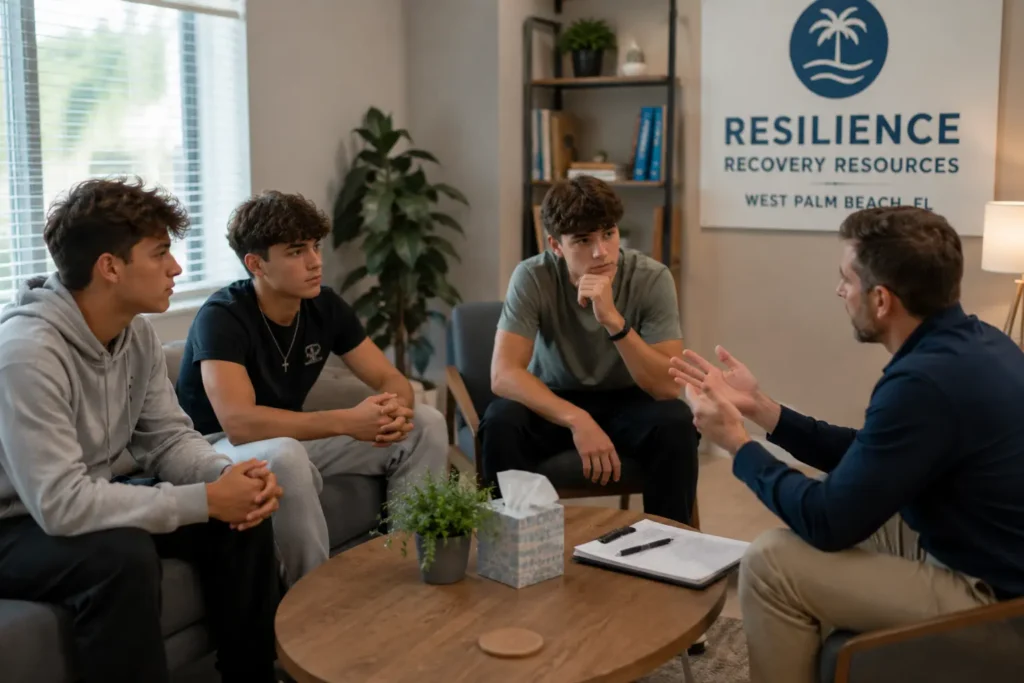




We provide age- and gender-specific outpatient treatment for young men stepping down from intensive care or who are seeking care for the first time. This approach allows clients to transition smoothly into the care they need with minimal interruptions, stress, or delays.

Meeting 5 days a week for several hours a day, our PHP provides intensive care for clients who need daily support or still struggle with co-occurring disorders. With transitional residential support in place, this program helps clients practice sobriety while having daily support.
Our IOP is best for clients who need more intensive care than an outpatient program, but less than a PHP. Meeting 3-4 days/week for up to 3-5 hours daily, this moderate level of care allows young men to maintain work, school, and home responsibilities.

Our outpatient program (OP) is a good fit for clients with a stable, supportive living environment who want to practice recovery skills in real-world situations. Less intensive than an IOP, clients have one individual therapy session and up to 6 hours of group therapy per week. With continued access to resources such as caseworkers and life-skills training, clients may reintegrate into full-time daily responsibilities at work, school, and home.
Our programs utilize separate treatment tracks for adolescents (14–17) and young adults (18–28). This allows us to provide specialized care appropriate to each age level. Each schedule will depend on the program, individual needs, and whether you or your son is in transitional living.
We ensure teens have daily scheduled school hours to support learning through our on-campus satellite school. Teens staying with us in transitional living have an early start at 7 am, which is preceded by meditation and chores. The rest of the day is spent in treatment depending on their individual needs.

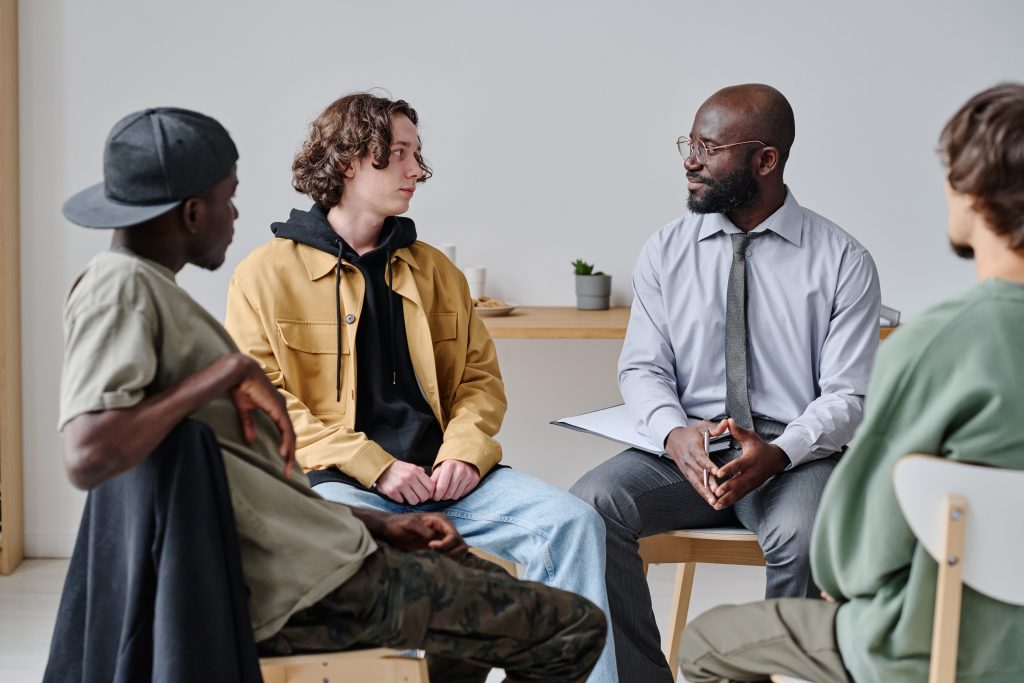
Our young adult clients have a later start time compared to teens. Young adults in transitional living can work part-time jobs in the mornings with time for clinical care later in the day. Depending on the outpatient program enrolled in, young adults can pursue higher education or focus on career development with a flexible treatment schedule.
Don’t let addiction control another day of your life. Our compassionate team is ready to guide you through every step of the admissions process. Contact us to begin your journey to lasting recovery.
Our team is equipped to address a wide range of substance use disorders that affect teens and young men, including:

Many teens and young adult men struggle with a dual diagnosis, in which a mental health disorder and a substance use disorder occur simultaneously. Our team is prepared to address a wide range of co-occurring mental health disorders and challenges, such as:
We do not believe in a “one-size-fits-all” approach to addiction treatment. Instead, we combine evidence-based and holistic modalities for a comprehensive approach to addiction and mental health care.
Some of our modalities include:

We support young men as they make and pursue their academic and career goals. To best help our clients, we have an on-campus satellite school, staffed by a Florida-certified special education teacher to help teens with online/virtual learning or enrollment.
Case managers are assigned to each client to help build critical life skills needed for future independent living. Young men learn resume building, budgeting, and how to conduct themselves in mock interviews. We empower our clients to not just recover from substance abuse, but to look positively towards the future.
Recovery doesn’t end just because treatment is completed. Our team helps young men succeed beyond our doors as they continue to grow with our aftercare services.
Our Alumni Coordinator hosts weekly virtual alumni meetings and maintains a strong alumni program with exciting events and trips. This provides a strong peer support network and grants access to wide-ranging community resources.
We equip our clients with strategies to maintain recovery through ongoing therapy, support group referrals, and relapse-prevention planning. This includes recognizing the signs of a relapse and developing healthy coping skills and boundaries.

Is your loved one experiencing behavioral changes such as secrecy, mood swings, withdrawal from loved ones, declining grades, and an overall decline in health? These could be the signs of substance use disorder or co-occurring mental health challenges.
Luckily, the addiction and mental health care professionals at Resilience Recovery Resources can assist with quality, compassionate, and comprehensive drug treatment in West Palm Beach, Florida. With a dedication to clinical excellence and empowerment, we give young men and their families a safe, supportive environment to heal.
The cost of rehab will depend on the program, length of stay, and your specific insurance provider and coverage plan. Speak to your health insurance provider or talk with a member of the admissions team at Resilience Recovery Resources to verify your benefits and understand what will be covered. We will provide a clear estimate of costs during your admissions call based on your situation.
Resilience Recovery Resources does not offer medication-assisted treatment (MAT) exclusively. We do, however, offer medication management support when appropriate.
It’s important to understand that many people refuse treatment because they don’t recognize that their symptoms of addiction are serious or they fear the stigma associated with receiving care. Although parents do have a legal right to enroll their minor children in treatment against their will, this is not ideal. The best treatment outcomes come from individuals who voluntarily agree to seek help.
As such, the best approach is to openly communicate with your son about your concerns and feelings while discussing the benefits of treatment. Demystify addiction treatment and assure your son that there is no shame in receiving care. With patience and empathy, you may be able to convince your son to consider seeking professional help. A carefully planned intervention can also be helpful, where close family members and friends can help your son understand the severity of their substance abuse and the support they will receive from their loved ones.
If you need additional assistance, you can contact Resilience Recovery Resources about your options, or utilize our additional resources.
The length of time needed for a treatment program to be the most effective depends on you or your loved one’s individual needs and the severity of substance abuse. The average program length at Resilience Recovery Resources is between 6-9 months, though many clients extend up to 12 months.
Resilience Recovery Resources does not offer in-house medical detox services. However, we do refer out to facilities that can best handle detox for your loved one and manage their withdrawal symptoms safely. Once stabilized for outpatient care, our team will be there to help them step down into our many outpatient services.